For the first time ever, we’re publishing detailed cervical screening coverage data by GP practice. Coverage is the proportion of women eligible for screening who have a test result recorded in the last 3 or 5 years, depending on their age.
...blood or other body fluids of an infected person (for example, through sex or injecting drug use) Most adults infected with hepatitis B will get rid of the infection spontaneously....
We always want to improve the blog and make it easier to find the news and articles that are most relevant and interesting to you. That’s why we’ve introduced tags. These are a new way to search the blog quickly and easily.
Today we’ve published our latest easy read information leaflet to help ensure screening is accessible to individuals with learning disabilities and low literacy levels.
We’ve updated our antenatal and newborn screening information for public and professionals following a change to the vaccination schedule for babies.
Back in November 2016 and March 2017 we published blog articles about the additional option of non-invasive prenatal testing (NIPT) to the fetal anomaly screening pathway.
What do Apple, Google, Microsoft, Facebook and Coca Cola have in common? Apparently they’re the 5 most valuable brands of 2017. So it’s likely that you’ll see their adverts, products and logos pretty much everywhere you look.
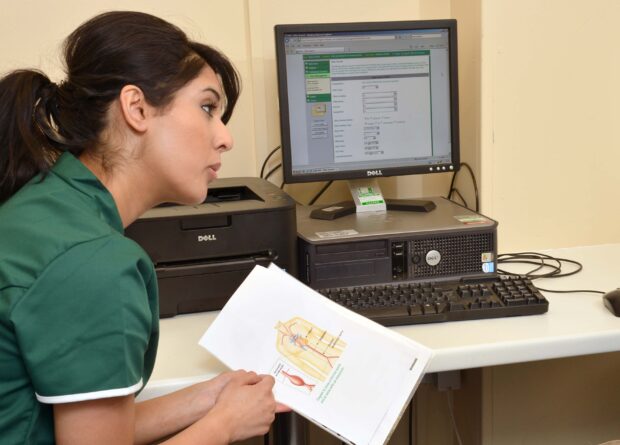
On 1 April 2017, e-learning for the NHS Screening Programmes moved to e-Learning for Healthcare (e-LfH). This move, which was a big job, involved us asking you to complete any modules remaining on the old website and signing up for e-LfH.
Personal informed choice is one of the most important principles in screening. People can decide whether or not to have screening based on the information we provide and their own attitudes and values.
It's really important that NHS services listen to the people who actually use them - patients and members of the public. Otherwise we could end up with services that look great on paper but...



Recent Comments