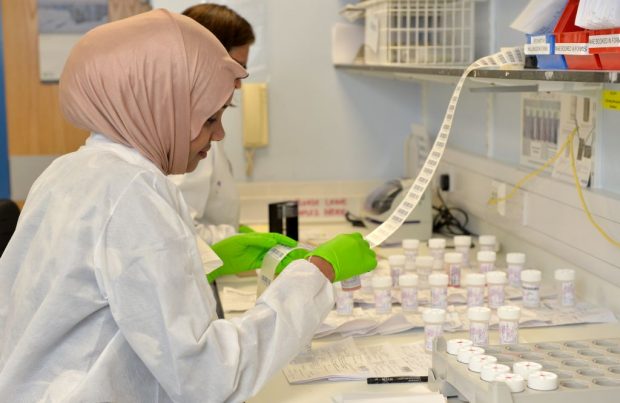
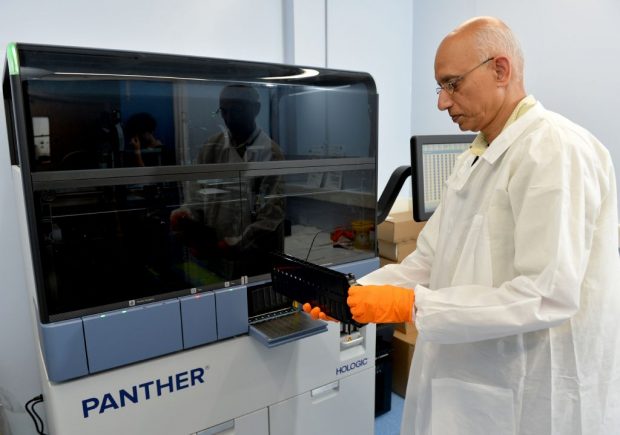
Evidence shows that human papillomavirus (HPV) testing is a better way of identifying women at risk of cervical cancer than the cytology (smear) test that examines cells under a microscope.
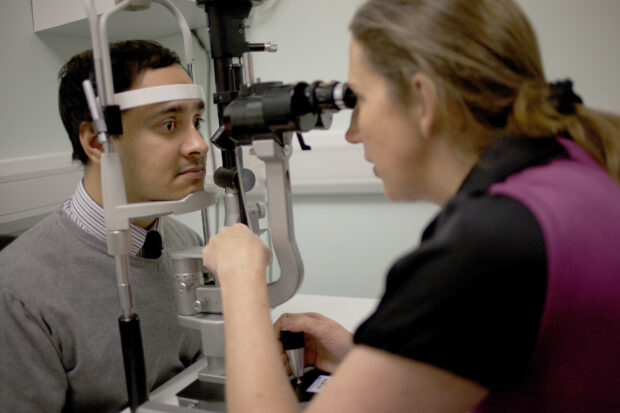
The NHS Diabetic Eye Screening Programme helps prevent sight loss in people with diabetes. Screening can detect diabetic retinopathy early, when treatment is effective at reducing or preventing damage from the condition.
The University of Warwick is again offering a one day workshop in health screening aimed at any staff involved in the provision of NHS screening programmes.
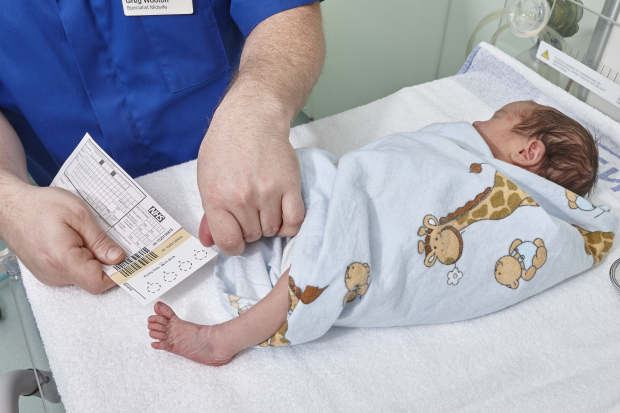
...including the 4 metabolic conditions added in January 2015: maple syrup urine disease isovaleric acidaemia glutaric aciduria type 1 homocystinuria The standards measure important points in the screening journey, including...
Cervical screening saves an estimated 5,000 lives a year by detecting abnormalities of the cervix early and referring women for effective treatment.
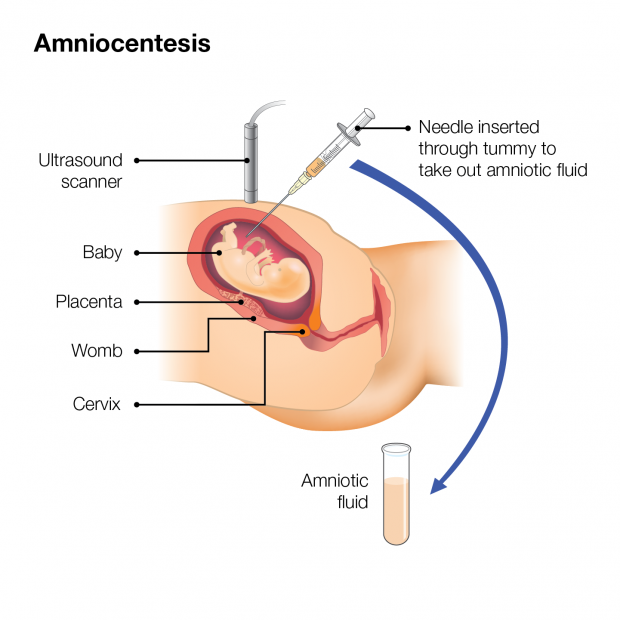
The NHS Fetal Anomaly Screening Programme (FASP) is pleased to launch a new counselling resource leaflet: ‘Chorionic villus sampling (CVS) and amniocentesis: information for parents’.
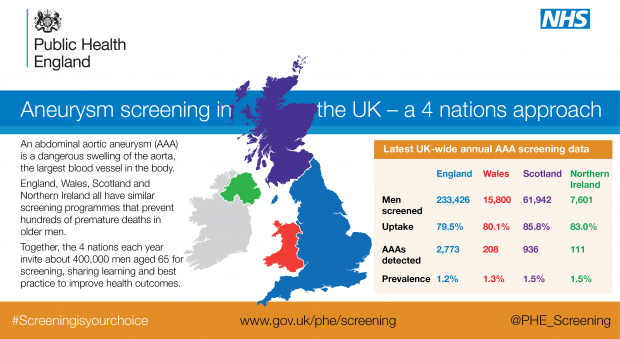
There has always been a great deal of collaboration between the 4 UK countries when it comes to learning how best to implement population screening programmes. Abdominal aortic aneurysm (AAA) screening is no exception.
Some of us in Public Health England (PHE), myself included, have worked in screening a long time.
Bowel cancer is the third most common cancer in the UK and the second leading cause of cancer deaths.
Cervical screening prevents cancer by detecting abnormalities of the cervix and referring women for potential treatment.

Recent Comments