Newborn pulse oximetry screening pilot under way
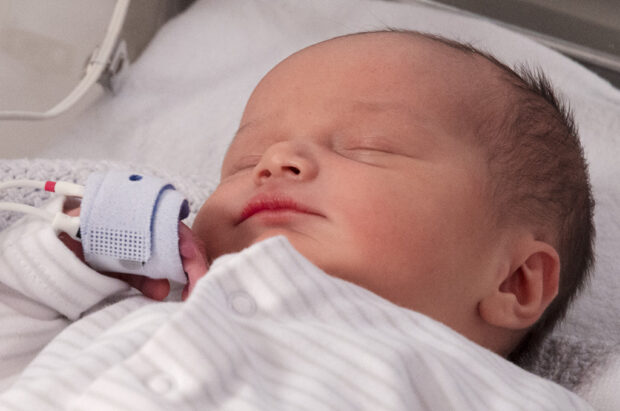
...38,000 newborn babies. This is likely to identify around 300 babies with heart problems. The NIPE team has worked with the 15 pilot site trusts who have now either aligned...
...38,000 newborn babies. This is likely to identify around 300 babies with heart problems. The NIPE team has worked with the 15 pilot site trusts who have now either aligned...
...to so many people who have so many different perspectives on screening. It's helped out to refine our understanding and description of what distinguishes systematic population screening programmes from other...
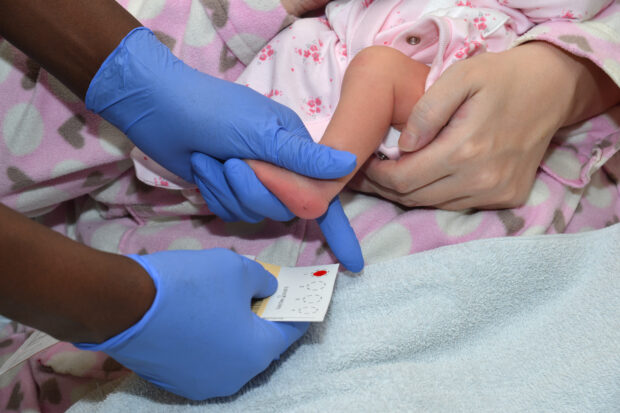
...example: There has been one record that I wanted to make you aware of which was for a baby born at [hospital]. They failed to notify [neighbouring community team] of...
...and the other for T18 / T13. A risk cut-off determines those women who are in the ‘higher risk’ group and considered ‘screen positive’ – this is currently set at...
Population screening programmes provide compelling evidence that early intervention reduces the burden of disease and improves health.
In our blog last week, we introduced the key performance indicators for screening and how they can help drive local improvements in screening services. In this follow-up blog, we’re going to look at the last KPI data we published.
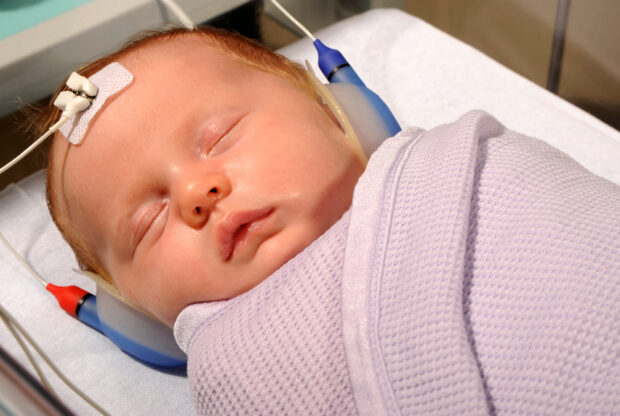
The NHS Newborn Hearing Screening Programme (NHSP) has helped to find thousands of babies with hearing loss since it started. We’ve just published a summary of the first 7 full years of data in the International Journal of Audiology so …
Key performance indicators (KPIs) are used by many organisations including Public Health England to see if they’re meeting their objectives. But what exactly are they, how do they work and what value do they add for people delivering screening services? …
...the governments of England, Northern Ireland, Scotland and Wales. Recommendations usually get published 6 weeks after each UK NSC meeting to give enough time for ministers in each country to...
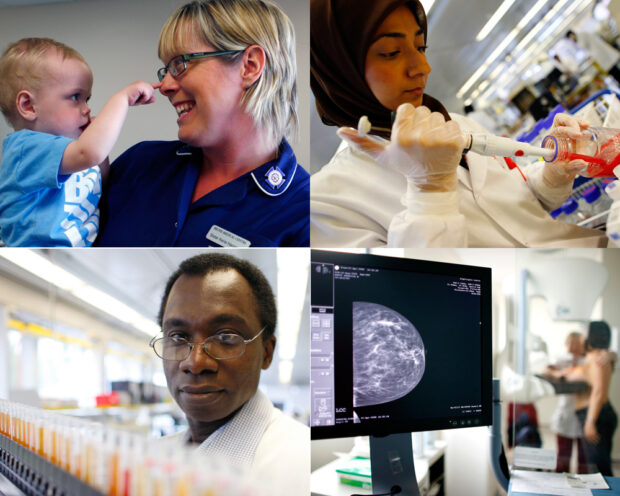
We offer screening tests to millions of people every year, male and female, at every stage of life. But we only do so if the evidence proves that screening does more good than harm for the population as a whole. …
Recent Comments