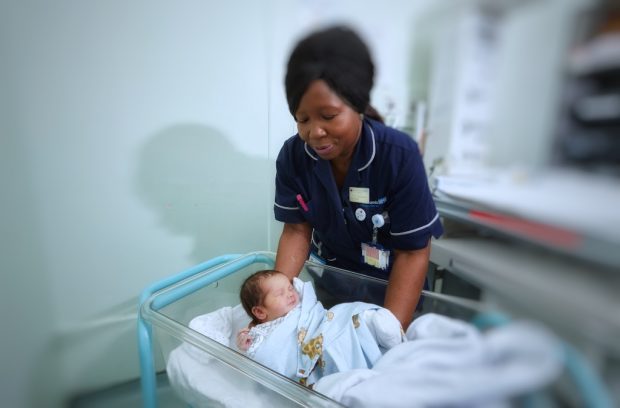
On 3 March 2019, over 150 organisations worldwide marked the fifth annual World Birth Defects Day. The goals for the day are to raise awareness across the globe about congenital conditions, look for opportunities to prevent conditions developing, and support antenatal testing where this is a result of an informed choice.
The first of a series of blog posts in which we’re looking at inequalities in LGBT cancer screening coverage.
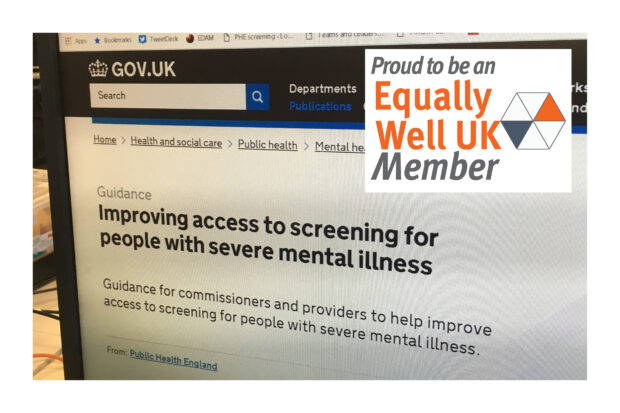
Today we have published new guidance for screening providers and commissioners that aims to improve access to screening for people with severe mental illness.
PHE is publishing new guidance in the spring which will help developers of artificial intelligence (AI) understand how new technologies could be used for screening.
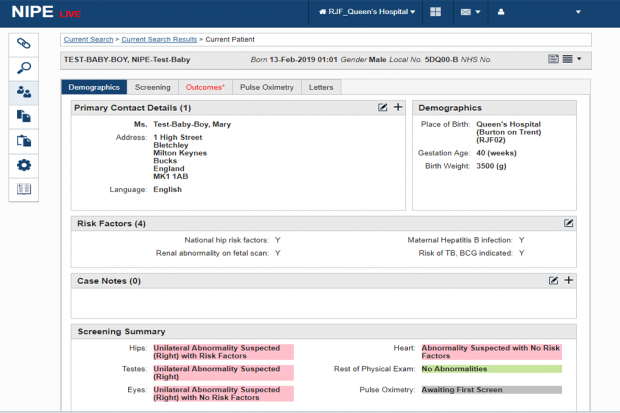
The new national IT system for the NHS Newborn and Infant Physical Examination Programme is due to go live on 1 April.
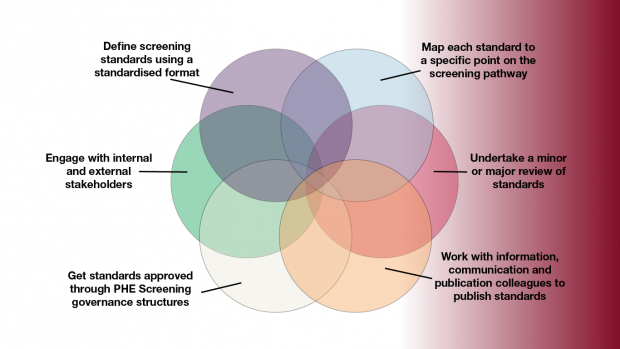
We have published the PHE Screening standards framework which gives a clear step-by-step guide about how we develop, review and publish standards.
Find out how people with diabetes in East Anglia have benefited from the piloting of an innovative one-stop shop for all their regular checks, including diabetic eye screening.
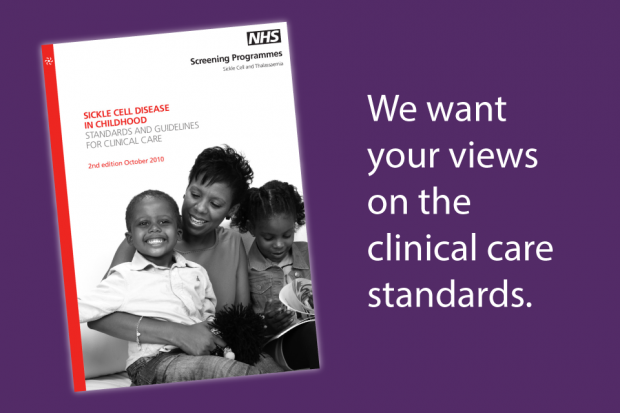
We are working with the Sickle Cell Society to update the Sickle Cell Disease in Childhood: Standards and guidelines for clinical care 2nd edition. Please let us know what you think of the clinical care standards.
The NHS Sickle Cell and Thalassaemia Screening Programme is excited to offer 25 funded places on the King’s College London Genetic Risk Assessment and Counselling course. This year the 4-day course takes place on 9 May, 10 May, 13 June and 14 June 2019.
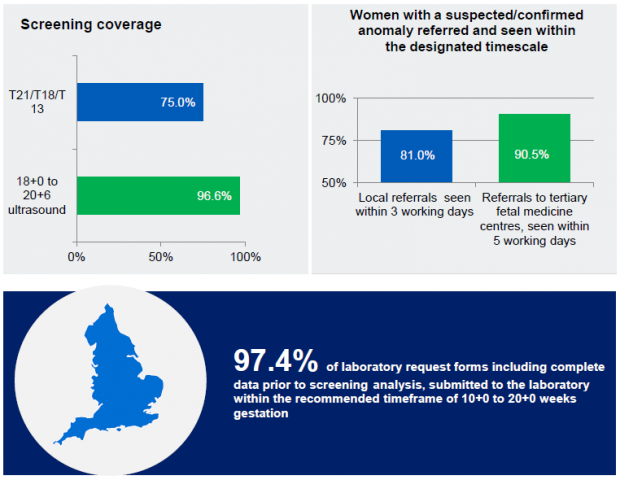
We have published the 2016 to 2017 data report for the NHS Fetal Anomaly Screening Programme.



Recent Comments